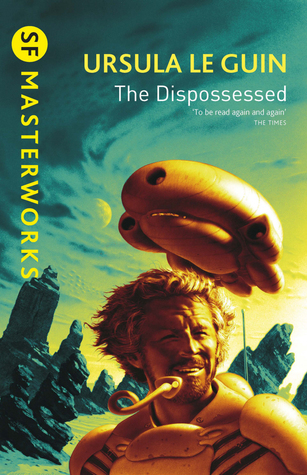
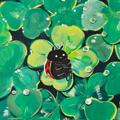
The Dispossessed

An Ambiguous Utopia

Hardcover, 387 pages

English language

Published Aug. 14, 1991 by Harper Paperbacks.

ISBN:
978-0-06-100137-6
Copied ISBN!
OCLC Number:
23026699

View on OpenLibrary

5 stars (17 reviews)

Shevek, a brilliant physicist, decides to take action. He will seek answers, question the unquestionable, and attempt to tear down the walls of hatred that have isolated his planet of anarchists from the rest of the civilized universe. To do this dangerous task will mean giving up his family and possibly his life. Shevek must make the unprecedented journey to the utopian planet, Anarres, to challenge the complex structures of life and living, and ignite the fires of change.

55 editions

Life-changing.

5 stars

“Those who build walls are their own prisoners. I’m going to fulfill my proper function in the social organism. I’m going to unbuild walls.“

Would you like to become an anarcho-socialist? Then read this book. It contains a most compelling vision for a world in which people govern themselves. It then goes on to contrast this world with another where capitalism is celebrated. The writing is powerful, the story provocative. Even if you don’t think you like science fiction, you should read this book because at the end of the day, it’s about how humans choose to live together. It’s also got some heart-stoppingly inspiring passages that will make you think deeply about your own commitments.

Enjoyable and thought provoking

5 stars

I'm have only read this once before and remember thinking it was heavy which - while not putting me off re-reading - meant it never floated to prominence on my to-read list. This time I found it, not "lighter" per se, but something, certainly. Overall, it meant that I really enjoyed it in ways I wasn't expecting.

Structurally, I liked the interweaving twin timelines (in a book about the physics of simultaneity and the past, present and future being present together was a nice touch). And this theme was interesting to see having just read The River Has Roots and its riddles relying on the acceptance of a past, present and future.

But so much to think on freedom.

Science-Fiction die zum Nachdenken zwingt

5 stars

Ein fantastisches Buch, das für mich neue Maßstäbe setzt. Dass sich Science Fiction gut für Gesellschaftskritik eignet ist bekannt, aber dieses Buch hebt das in neue Sphären. Es gibt kaum einen Aspekt der nicht thematisiert wird: Kapitalismus, Macht, Sexismus, Ausbeutung, Anarchismus und Solidargemeinschaften sind einige davon. Der solidarisch-anarchische Planet scheint zu Beginn des Buches wie eine Utopie, weil für uns unvorstellbar, aber die Autorin zeichnet das Bild der gerechten Gesellschaft so lebhaft, dass ich mir oft gedacht habe "Warum machen wir das eigentlich nicht auch so?". Aber im Laufe des Buches werden auch die möglichen Fallstricke aufgezeigt - die menschliche Natur lässt sich nämlich nicht ausschalten. Selbst in einer Solidargemeinschaft wird es immer Menschen geben, die egoistisch sind und nach Macht streben - auch wenn das System ihnen zumindest mehr Grenzen setzt, als ein kapitalistisches System. Es ist sicherlich kein einfaches Buch, immer wieder musste ich das Buch weglegen und …

Essential Reading für alle Sci-Fi Fans

5 stars

...und erst recht diejenigen, die sich selbst als politisch links einordnen würden.

Der Protagonist Shevek lebt in einer anarchistischen Gesellschaft auf dem Mond Anarres, wo er sein Leben der Physik verschrieben hat. Das Buch erzählt abwechselnd aus der Vergangenheit und aus der Gegenwart, wo Shevek den Mond verlässt, um seine Forschungen in der kapitalistischen Gesellschaft auf dem Planeten Urras zu betreiben. Die beiden Handlungsstränge sind dabei sehr schön verwoben, immer wieder gibt es in der Gegenwart Momente, die im Kontext der vorigen Erzählung aus der Vergangenheit in einen anderen Kontext gerückt werden.

Keine der beiden Handlungsstränge ist jedoch konfliktfrei; in der Gegenwart muss Shevek sich in einem kapitalistischen System zurechtfinden, Machtspielchen mitspielen und sich selbst als Bauer im großen Schachspiel der Mächte auf Urras begreifen. Die Kapitel auf Anarres sind weniger akut konfliktreich, dafür erkunden sie umso mehr die positiven Seiten – aber, und das hat mir auch sehr gut …

Un gran libro

5 stars

Un libro bellissimo, che parla di anarchia più di quanto i testi anarchici criptici e volutamente astrusi alla comprensione abbiano mai fatto. La descrizione perfetta di una società capitalistica, patriarcale, guerrafondaia, classista in contrapposizione a chi ha effettuato la scelta di non volere più nulla di questo, di voler scientemente non possedere nulla di materiale o immateriale per poi in realtà condividere tutto. Certo nulla è perfetto e ci sarà sempre chi cercherà di esercitare il potere anche se in modo lieve, qualcosa scricchiola. Questo libro è entrato a far parte dei miei "libri fondamentali", quelli da dover leggere almeno una volta nella vita.

Uno dei libri più belli che abbia mai letto

5 stars

Un libro di fantascienza geniale, avvincente e al tempo stesso ricco di significato. Negli ultimi anni ho tratto grande piacere dallo studio del pensiero anarchico e delle sue differenze con il comunismo autoritario (e chiaramente con il capitalismo). Penso che il pensiero anarchico sia criminalmente escluso dagli studi scolastici e che moltissime persone, per questo motivo, non sappiano realmente cosa sia. I reietti dell'altro pianeta immagina un'utopia anarchica, dandole però sostanza: è bellissimo vedere come funzionerebbe una società anarchica secondo Ursula Le Guin, anche perché ne presenta anche le possibili criticità. La critica feroce alla concezione del lavoro e dello sfruttamento nel capitalismo sono da pelle d'oca. Ho imparato più sull'anarchia leggendo lei che leggendo Kropotkin!

A political thought experiment

3 stars

The cover blurb for The Dispossessed makes it sound like a thrilling exciting narrative, filled with tension and action:

Shevek, a brilliant physicist, decides to take action. He will seek answers, question the unquestionable, and attempt to tear down the walls of hatred that have isolated his planet of anarchists from the rest of the civilized universe. To do this dangerous task will mean giving up his family and possibly his life—Shevek must make the unprecedented journey to the utopian mother planet, Urras, to challenge the complex structures of life and living, and ignite the fires of change.

But that's not what it is, and it's certainly not Le Guin's focus. This is clear in the way she avoids what might be the more dramatic elements of the story, or distances us from them in how they are portrayed. The story is bookended by two examples of that. The opening …

Review of 'Los desposeídos' on 'Goodreads'

5 stars

Una obra que vuelve a usar la ciencia ficción como entrada pero que es un análisis y una reflexión sobre la sociedad, desde la luna Anarres, donde la sociedad se organiza en un modo anarquista/socialissta al planeta Urras, donde tras un conflicto estos últimos fueron expulsados y donde el planeta se organiza en base a oligopolios y un capitalismo salvaje. Como nexo entre ambos mundos el protagonista intenta establecer un diálogo, intentando propiciar el desarrollo de ambas sociedades con la colaboración científica. Un libro que no deja de ser una reflexión y un golpe sobre la mesa sobre la política, la sociedad y el papel de la ciencia y los científicos.

Subjects

  • Science Fiction - General
  • Fiction
  • Fiction - Science Fiction